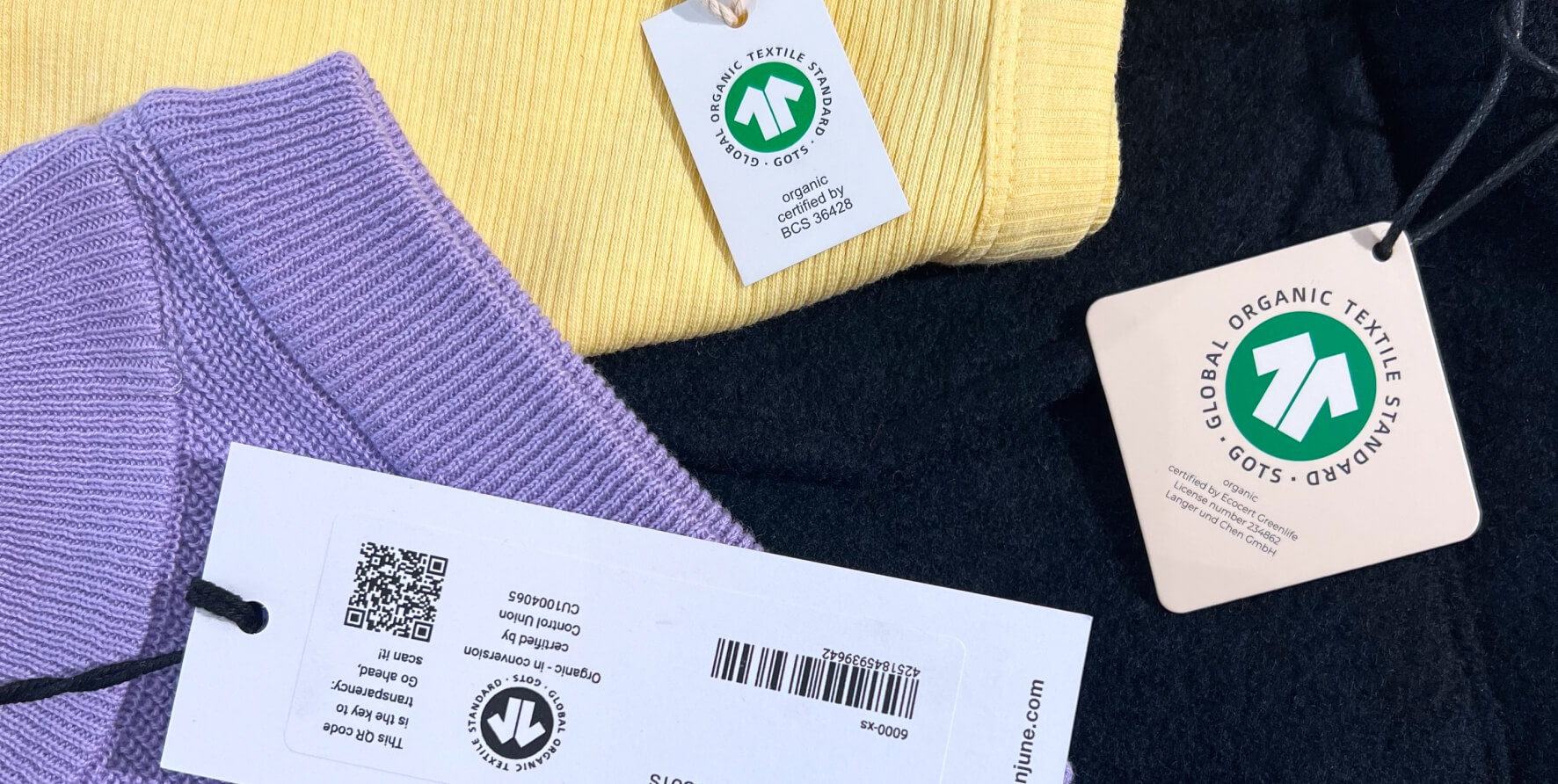
When you pick up an organic cotton shirt or a GOTS-certified textile product, you may not think about the requirements and assessment processes behind the GOTS label.
GOTS sets requirements for the processing and manufacturing of textiles made with certified organic fibres. It covers stages after raw fibre production, including first processing, manufacturing and trading, and includes environmental, chemical and social criteria within its scope. Compliance with applicable GOTS requirements is independently assessed and certified by accredited third-party Certification Bodies.
Audits are an important part of this certification process. Qualified auditors working with accredited third-party Certification Bodies assess certified operations against applicable GOTS requirements. Depending on the scope of the certified operation, this includes requirements concerning areas such as chemical inputs, environmental management, waste management and social criteria.
These assessments provide a structured process for verifying whether certified operations comply with the applicable requirements of GOTS.
We are now taking another step in supporting this process with the release of a key document: the GOTS Due Diligence Handbook for Auditors.
What Is the GOTS Due Diligence Handbook for Auditors?
The GOTS Due Diligence Handbook for Auditors provides guidance to auditors assessing due-diligence requirements at GOTS-certified operations.
It does not replace the existing requirements of the Standard. Instead, it provides auditors with additional tools and step-by-step guidance for assessing relevant due-diligence processes within the scope of GOTS certification.
The regulatory landscape for corporate due diligence is also developing, with legislation in a number of jurisdictions addressing businesses’ responsibilities in relation to human rights and environmental matters in their operations and supply chains.
The Handbook is intended to support auditors in assessing the applicable GOTS due-diligence requirements consistently and practically.
A Collaborative Effort
In creating the Handbook, Global Standard worked with UpRights, a non-profit organisation from the Netherlands that aims to ensure respect for human rights and international law, empower victims and hold perpetrators accountable.
Auditors, human rights experts and industry representatives from different regions were also involved in the process. Their input helped inform practical guidance addressing situations that auditors and certified operations may encounter.
How Does It Help You as a Consumer?
The Handbook supports the auditing process behind GOTS certification.
When you see a GOTS label on a certified product, it indicates that the applicable textile processing and manufacturing operations have been assessed against GOTS requirements within the scope of their certification.
Those requirements cover specified environmental, chemical and social criteria. Compliance with the applicable requirements is independently assessed and certified by accredited third-party Certification Bodies.
For consumers, the GOTS label therefore provides information about a product’s certification and the requirements against which the relevant certified operations have been assessed. The new Due Diligence Handbook for Auditors provides additional guidance for auditors carrying out these assessments, supporting the consistent application of GOTS due-diligence requirements across certified operations.
Check out the press releasere here, or directly access the GOTS Due Diligence Handbook for Auditors.